
 Locations
Ensuring the Safety of Children in the Water, Especially in the Pool
Jul
Summer is here, and that means families are looking for the best ways to keep cool during the hottest of days. One of the favorite pastimes is going swimming, whether it is in a pool, river, or lake. Swimming is a great way to beat the heat; however, not everyone is always up to the task. Young kids in particular,r can be at serious risk of drowning in large amounts of water.
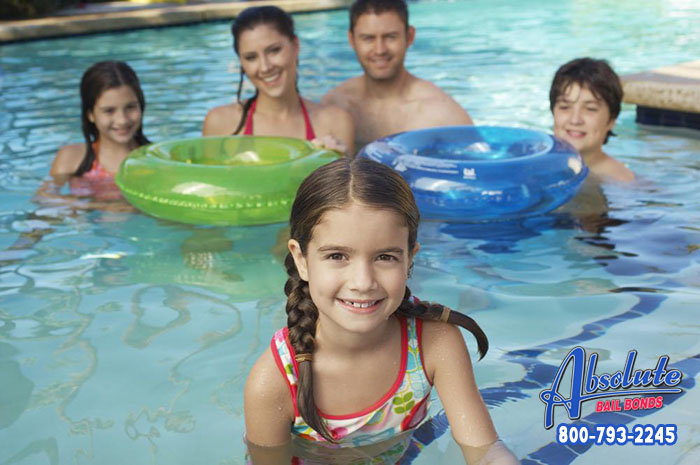
When taking kids to bodies of water, it is important for parents to keep a close eye on their kids. Failing to do so risks their safety, which is something that nobody wants. All children should be actively supervised when near bodies of water. Infants and toddlers should always be within an arm’s reach from an adult. It only takes a few minutes for something bad to happen. It is also important not to rely on pool toys such as noodles and water wings to keep a child safe, as they are not true safety devices.
Ensuring the safety of children in aquatic environments, particularly in pools, is of paramount importance. By implementing rigorous supervision protocols, providing comprehensive swimming lessons, and adhering to strict pool safety guidelines, we can mitigate potential risks and create a secure environment for young swimmers. Installing appropriate barriers, ensuring constant adult supervision, and maintaining proper pool maintenance are essential components to safeguarding children in water. Educating both children and adults on water safety practices, including the importance of wearing flotation devices and knowing how to respond in emergencies, is critical for accident prevention. By prioritizing safety measures and fostering a culture of awareness, we can promote a safe and enjoyable aquatic experience for children in the pool.
Teaching kids to swim is a big and important step. If a kid knows how to tread water, they are that much safer. However, figuring out when to teach a child how to swim is dependent on the child and the parent. Only start teaching a child to swim when they are ready, and don’t stop at just swimming. Teach your child how to float and to stay close to the shore in open water. Also teach them that swimming in open water is very different than swimming in a pool.
If you have a pool in your own backyard, be sure that you take the proper precautions. Backyard pools should have a four-foot fence around them and a self-closing, self-latching gate. This should help keep kids from accessing the pool while unsupervised. Also, consider putting some sort of alarm on the gate that could alert you to someone accessing the pool.
Swimming is a great way to beat the heat during the peak of summer. However, it can be dangerous for little kids if they are not properly supervised.
If you plan on taking your family swimming this summer, be sure to keep a watchful eye on your younger kids. Doing so will help ensure that your summer stays happy and fun.