
 Locations
Nonverbal Communication You Need to be Aware Of
Jan
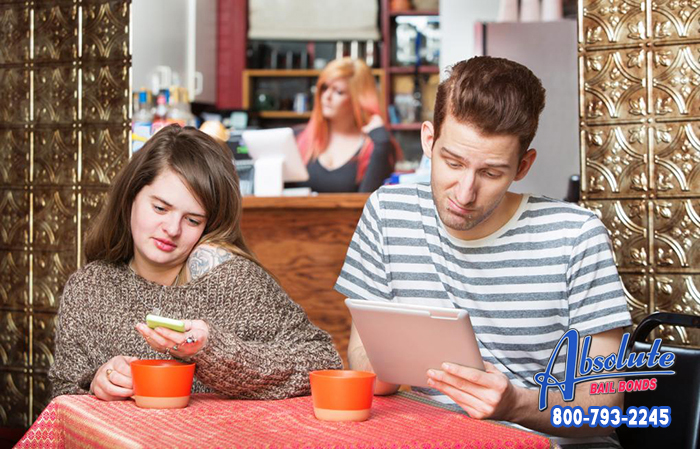
Communicating with people can be challenging at times. Communicating with others involves more than just words. There are messages that can be nonverbal or verbal. Most people aren’t even aware that they’re communicating a nonverbal message to others when having a conversation.
Being aware of nonverbal messages that you may be sending to those around you is important. It’s also wise to understand what others may be saying nonverbally as well.
These kinds of silent messages can consist of several things:
- Body Language – How a person moves and acts.
- Facial Expressions – Eyes, mouth, and other facial features help express attitudes and even hidden feelings.
- Posture – Slouching or standing straight can indicate a person’s level of attention and focus.
- Eye Contact – Eye contact can help gage emotions, and some assimilate it the level of trustworthiness.
- Gestures – Hand movements, and shoulder shrugs can convey messages.
- Signs – Symbols, words, pictures.
- Clothing – Sweatpants versus slacks contain different meanings within the appearance.
- Tone of Voice – How one says “thank you” can mean the difference between being sincere or not.
- Physical Space – How you set up your space can give people a perception of whether or not you’re open for conversations.
Having an awareness of these principles proves invaluable across various facets of life, encompassing relationships and initial interactions. Nonverbal communication represents a potent instrument when employed adeptly. Enhanced nonverbal abilities can foster perceptions of empathy. Moreover, aligning your nonverbal cues with your verbal expressions can bolster trust among individuals. Understanding the implications of your nonverbal signals holds profound benefits for personal growth. In a professional setting, heightened nonverbal acumen allows for increased empathy towards colleagues, even those who may harbor reservations towards you. By honing nonverbal communication skills, you can navigate interpersonal dynamics with finesse and efficacy, promoting harmonious relationships and bolstering trust.