
 Locations
The True Purpose of Reflective Orange Triangles
Jul
If you take a drive through some of California’s more rural areas, the chances are pretty good that you’ll see reflective orange triangular signs attached to fences, mailboxes, and trees. People love these signs because they’re large, easily viewed, and inexpensive, so they buy a handful and use them for an assortment of things such as marking property lines, outlining driveways, and warning trespassers away.
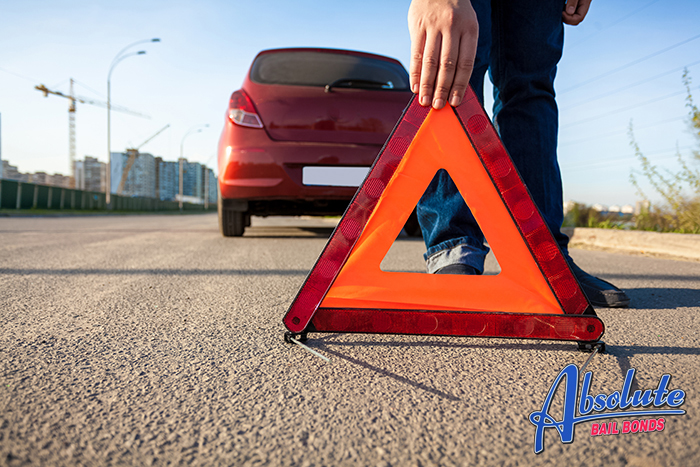
Reflective orange triangles serve a critical purpose in enhancing road safety and visibility in various settings. These high-visibility markers are strategically designed to alert drivers and pedestrians to potential hazards on the road, underscoring the importance of caution and awareness. By incorporating reflective materials and a vibrant orange hue, these triangles effectively capture and reflect light, even in low-visibility conditions, such as fog or darkness.
The true purpose of reflective orange triangles lies in their ability to mitigate accidents and improve overall safety by signaling potential danger zones and prompting individuals to exercise increased vigilance. As a professional tool in the realm of road safety, these triangles are indispensable in ensuring a secure and efficient transportation environment for all road users.
Few realize that by nailing the reflective triangle to the mailbox or tree, they’re breaking the law.
Those reflective orange signs are actually road signs. They’re formally called a Slow-Moving Vehicle (SMV) sign. The signs are bright orange and are outlined with red reflective tape. The reason they’re so highly reflective and large is so that when they’re attached to the back of a tractor, Amish buggy, or piece of construction equipment, other motorists know that the vehicle isn’t capable of maintaining posted highway speeds. When your headlights bounce off one of these signs, you’re supposed to slow way down and use extreme caution. Since it’s not unusual for farm and construction equipment to be on the wide side, you need to carefully examine the equipment before attempting to pass it. Failure to use caution when you see an SMV in front of you not only increases the odds of you getting in an accident, but also getting a ticket if you’re spotted by a passing patrol officer.
Taking an SMV sign and using it to make your driveway is just as illegal as grabbing a couple of stop signs and using them for the same purpose.
The good news is that most police officers ignore the illegal use of SMV signs. However, if an officer is looking for a reason to knock on your door and catch a glimpse at the inside of your house, they may use the sign as an excuse. If you irritate them, they could write a ticket for improper sign usage, which would come with a heavy fine and result in a great deal of embarrassment for you.
If you are the owner of a vehicle that doesn’t exceed 40 miles per hour, such as a skidsteer, carriage, or tractor, a law passed in 1996 means you must mount an SMV sign on the vehicle.
The sign needs to be placed as close to the center as possible and should be 0.5 to 2 kilometers above the road. The one type of vehicle that doesn’t need an SMV attached to it is bicycles.